




If you’re feeling overwhelmed by anxiety, know that you’re not alone. Anxiety can be intense, but grounding techniques offer effective, immediate relief. In this post, you’ll discover mental and physical strategies to stay calm—especially during an anxiety attack.
Why Anxiety Happens—and Why Grounding Works
Anxiety kicks in when our amygdala, the brain’s fear center, reacts strongly—triggering racing thoughts, rapid heartbeat, and panic. Grounding methods engage the prefrontal cortex, disrupting that fear response and helping you regain control .
3 Powerful Grounding Techniques for Anxiety Relief
1. Mindfulness & Breath Awareness
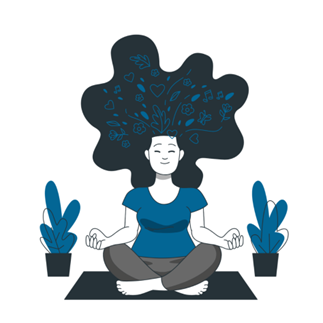
- Why it matters: Slows the mind and reduces stress.
- How to do it: Focus on your breath—feel the rise and fall of your chest. Gently redirect your attention when your mind wanders.
- Benefits: Enhances self-awareness and emotional regulation.
2. Breathwork: Box, 4‑7‑8 & Deep Breathing
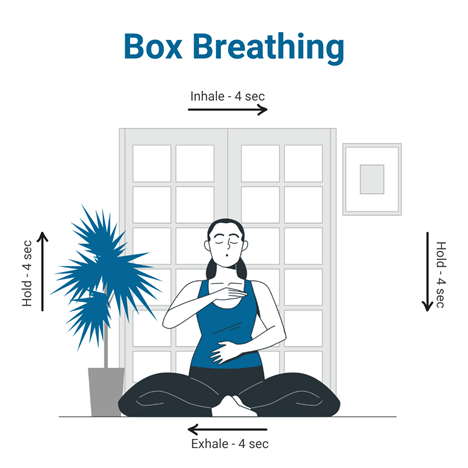
- Techniques:
- Box Breathing: Inhale‑4s, hold‑4s, exhale‑4s, hold‑4s
- 4‑7‑8 Breathing: Inhale‑4s, hold‑7s, exhale‑8s
- Deep Belly Breathing: Lower abdomen expands on inhale
- Why try it: Activates your parasympathetic nervous system, countering stress (YoungMinds, Reframe App, Self)
3. Mental & Sensory Grounding: 5‑4‑3‑2‑1 Method
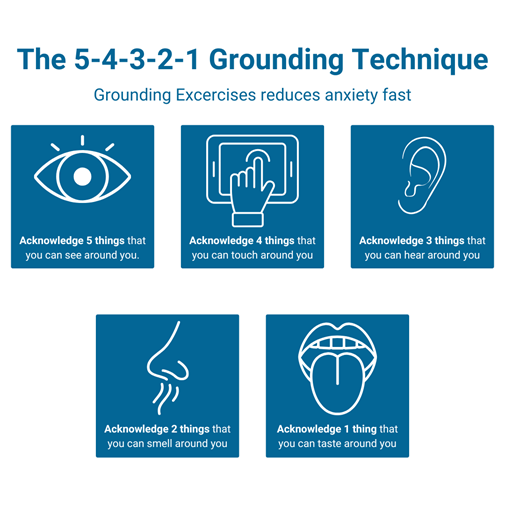
- Step-by-step:
- 5 things you see
- 4 things you touch
- 3 things you hear
- 2 things you smell
- 1 thing you taste
- Effect: Provides immediate focus and calm (Verywell Mind)
Expand Your Grounding Toolkit
🔹 Visualization: Imagine a peaceful landscape—feel, hear, smell every detail to shift your mind.
🔹 Physical Anchors: Grip something cold (ice cube, cold water) or textured to bring you back to the present (Self).
🔹 Progressive Muscle Relaxation: Tense then release muscles—fists, shoulders, legs (Self).
🔹 Sensory Walk or Tactile Grounding: Walk barefoot, hold a warm mug, touch soft fabric.
How to Combine These Techniques for Maximum Effect
- Blend breathwork + visualization: Inhale calm energy, exhale stress into your safe mental place.
- Walk mindfully: Combine gentle movement with awareness of your surroundings.
- Tactile + breathing: Hold a grounding object while practicing deep breaths.
This holistic approach helps both mind and body stay anchored.
Building Your Personalized Anxiety Relief Plan
- Try various techniques: Experiment to see what resonates—everyone is unique.
- Practice daily: Short, regular exercises are more effective than sporadic efforts (Calm).
- Use ahead of triggers: Prepare grounding tools before anxiety hits.
- Track progress: Note what helps and when—keep a simple journal.
When to Seek Professional Support
Grounding methods are powerful first steps, but persistent anxiety may require professional help. Reach out to a psychiatrist or mental health expert if anxiety significantly affects your daily life.